
THE SPACE BETWEEN SACRIFICE AND LOVE
I am the daughter of two Jamaican immigrants.
As a kid, I often went to bed worried we might get a phone call saying my mom had fallen asleep at the wheel on her way to or from work. She was always running on little to no sleep because she worked the night shift from 11 pm until 7 am and then a second job during the day. If she wasn’t working, she was sleeping or trying to pick up an extra shift. I still don’t know how she made it through those days, but I carried the weight of worrying about my parents—and often felt responsible for their happiness.
Money was a constant topic of conversation in my house (to be honest, it still is!): how much my parents were making or saving, the bills for that month, or their financial worries. I knew more than most kids should know about their parent's complex finances from a young age. I rarely saw my parents argue over money, though, even when they often flip-flopped between scarcity and abundant mindsets. They remained aligned in what they were working towards: saving as much money as possible to buy a home, putting my brothers and me through college, and having savings for retirement.
I often cringed at my parent’s foreignness. I already stood out in my predominantly white school—and this made me feel even more different from my friends. While I grew to eventually appreciate my Jamaican heritage and the vibrant culture that shaped my life, as a kid, I felt embarrassed when they couldn’t pronounce my friends’ names correctly, when they stumbled over English grammar, or when they couldn’t help me with my homework.
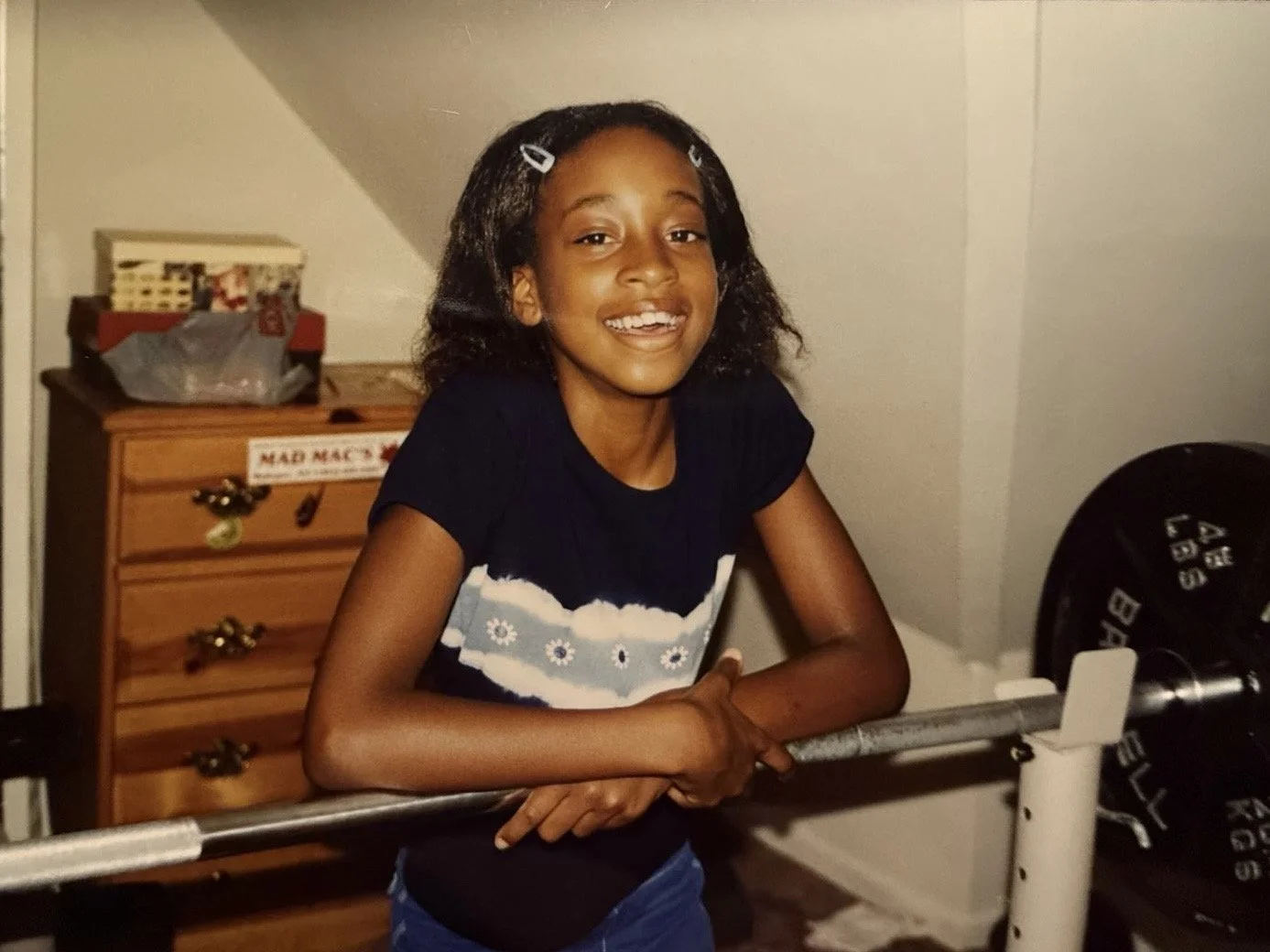
It never really occurred to me, until I was way into adulthood, how much growing up with immigrant parents shaped who I am—in good ways and difficult ones. Perhaps I’ve had the confidence to pursue my dreams because of my parents’ unwavering belief that a good education would open all doors for me. When you’ve watched your parents sacrifice their comfort—and sometimes their happiness—to give you everything they wished they had, how could you not feel grateful? When you’ve seen them build something from nothing, how could you not be inspired? How could I not be motivated to chase my dreams, especially when I’ve been given the resources they never had?
It’s hard to hear stories about my parents' earliest years in America. My mom immigrated as a teenager with her sisters, following their mother, who had already spent months in New York working to bring them over. She arrived in the winter and immediately hated it because of the dead trees. My dad came alone in 1977 as a twenty-eight year old motorcycle mechanic. Neither of them had even finished high school when they arrived. My mom’s first job was at a belt factory, where she shared her weekly earnings of $80 with her mother. My dad’s first job was sweeping floors at construction sites. He often couldn’t even afford a beer for 85 cents, much less a night’s dinner. In his first two years in the U.S., he barely made $500 yearly.
In stark contrast, I grew up with most of my material needs and comforts being met. I had enough clothing to express myself creatively and keep up with trends. I got American Girl Dolls, yes multiple, for Christmas over the years. I studied ballet and tap at a pricey dance academy. I can’t recall many things I asked for that I didn’t receive—except quality time and support for my very sensitive emotional world.
As they say, your love language often reflects what you lacked growing up. For me, that was quality time and words of affirmation. My parents expressed their love through acts of service, and I always looked back on my childhood positively because I knew there was nothing they wouldn’t do for me.
But in my mid-twenties, as I returned to therapy to start confronting my difficulties navigating romantic relationships, I began uncovering deeper themes in my life. I felt a growing anger inside of me as I realized just how much I had been shaped by my parents' priorities, or rather, the feeling that I had not been a priority. My emotional needs took a back seat to their more immediate concerns. When parents are operating in survival mode, there isn’t much room or time for co-regulation or nurturing a child’s inner world. That absence left a deep void I spent years trying to fill, unsuccessfully, might I add, through my romantic relationships. Naturally, I fell into a pattern of attracting men who, similarly, wouldn’t prioritize me or my feelings.
I still hold some resentment today, but it’s something I am always working through. It's not lost on me that it’s because of their sacrifices that I have the time, space, and resources to extensively explore my emotional landscape. It can still be hard to give up the idea that things could have been different. If only they had… fill in the blank (gone to therapy, didn’t work so hard, took us on family vacations). I don’t want to feel this way, but it’s complicated. You feel fucking ungrateful for even so much as thinking it —let alone writing it out for others to read. But the truth is I felt something fundamental was missing from my relationship with my parents: playfulness, stillness, *undivided* love and attention.
It’s a real lesson in two things can be true at the same time.
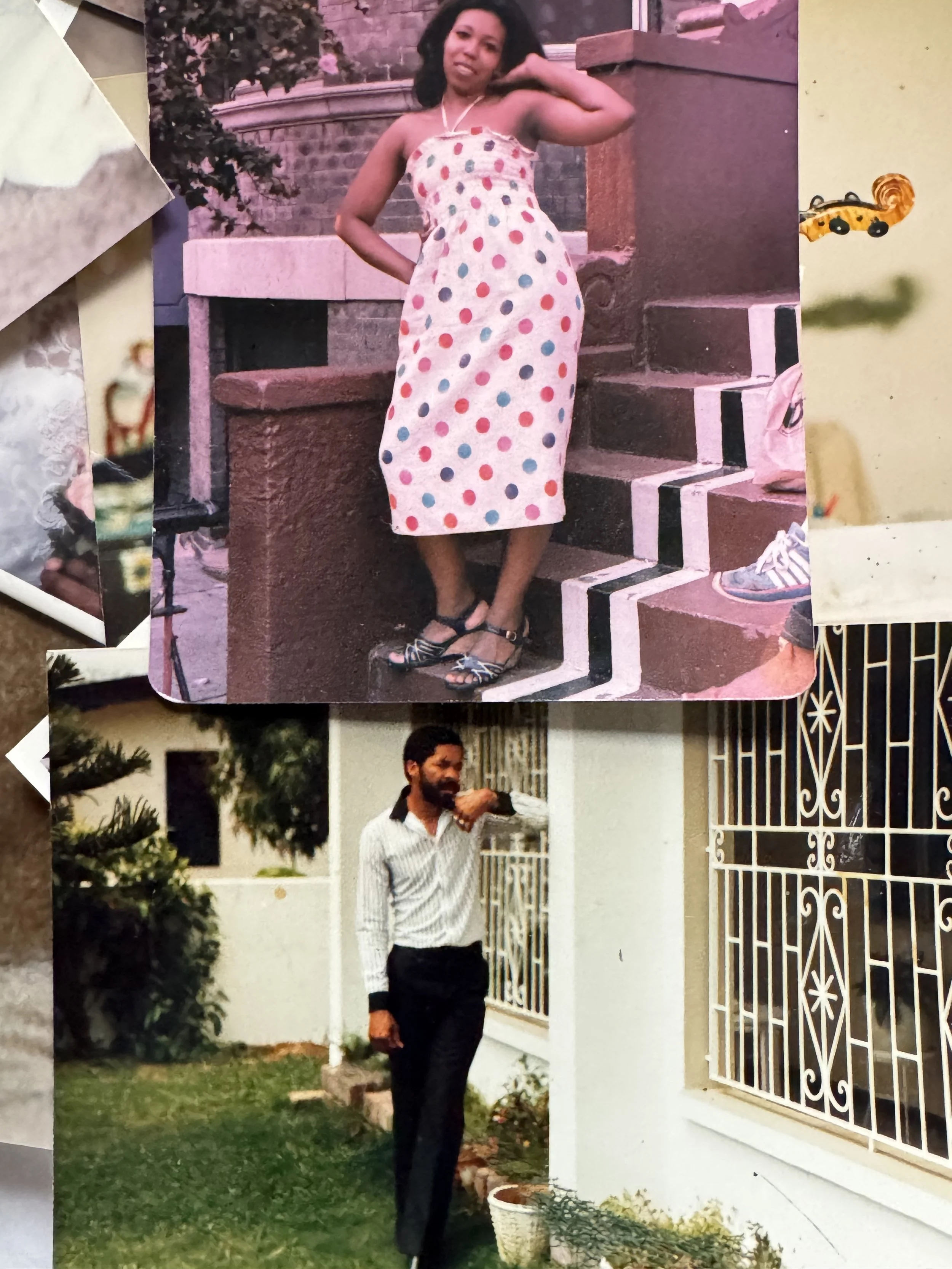
I love and am so proud of the people who created me. I wouldn’t know the true meaning of hard work, determination, or resilience if it weren’t for them. They’re smart as hell, endlessly generous, and they have provided not just for our family but for our extended family as well. So many people around them look up to them, and I deeply respect what they have built. It would take me lifetimes to be able to repay them, but I work hard in hopes that I will continue to make them proud and build upon what they started.
I try to make peace with the fact that they did their best with what they had and what they believed was right for our family. It’s not an excuse, but it helps me keep perspective. I don’t think you need to be a first-generation American to relate to this. Many of us have parents who, despite their best intentions, couldn’t love us in the ways we needed or made choices that left a lasting impact. Every family dynamic has its nuances. Even when they thought they were doing right by us, the consequences weren’t always what they intended.
I’m not a parent, so I have no idea what it’s like to be in that position. So, I continue to learn to hold space for both realities—the sacrifices they made and the things I still wish had been different.